San Diego RevPAR is tracking toward something close to 5 percent growth for full-year 2026. That’s up from the 2 to 3 percent I forecasted back in January, and the first half of the year’s data is why I’m revising it.
The numbers at a glance, January through June 2026
- RevPAR is tracking toward roughly 5% growth for the year, up from my original 2-3% forecast.
- June set an all-time record: $198.18 RevPAR, $234.79 ADR.
- Chula Vista and South is the story of the year, RevPAR up 42.4 percent in June alone.
- International leisure demand is back for the first time since 2019, and the World Cup’s afterglow should keep it coming over the next 12 months.
The forecast I got right, and the one I’m changing
At the start of the year, plenty of people in this business were calling for a rough 2026. Minus a point, minus half a point, flat at best, that was the range I kept hearing. I said 2 to 3 percent growth and took some grief for it. I’m not going to pretend I called five percent back in January, I didn’t. But I was closer than the pessimists, and the first half of the year has been strong enough that I’m now comfortable saying the full-year number lands nearer 5 percent than 2 or 3.
That’s not a small revision. It’s the difference between a market that’s holding steady and one that’s actually growing.
What the first half actually looked like
I want to be careful here: this is a year-to-date story, not a June-versus-May story. Comparing one month against the one before it tells you almost nothing in a seasonal business like this one. What matters is the shape of the whole year so far.
January opened modestly, RevPAR up 3.7 percent year over year. February picked up to 11.2 percent, and March kept climbing to 18.4 percent, the strongest single month of the half. April cooled to a still-solid 9.2 percent. Then May went negative, RevPAR down 4.4 percent. That scared a few people, but it shouldn’t have. May is usually soft here, no spring break, summer hasn’t hit yet, and this year was no exception.
June answered it. RevPAR hit $198.18, up 12.0 percent year over year and an all-time June record, beating the old mark of $184.62 set back in 2022 by 7.3 percent. ADR set a June record too, $234.79, topping 2025's $219.62 by 6.9 percent. Occupancy, at 84.4 percent, did not set a record. It ranks fifth of the last nine Junes. I like that, actually. It means June's growth came from rate, not from packing more people into the same rooms, and rate-driven growth holds up better if demand softens later than occupancy-driven growth does.
Six months in, four of them were up double digits. That's the story, more than any single month is.
International leisure is coming back, and I think the World Cup keeps it coming
The piece I haven't talked about much on this site yet: international leisure demand returned to San Diego this year for the first time since 2019, tied to the World Cup. The tournament wrapped this past weekend, Spain over Argentina in the final, so by the time this posts the trophy's already been handed out. There are still some travelers working their way home from it, so a little of that demand is residual, not new. I don't think that's the real story, though.
The real story is what the exposure does after the fact. Cities that get a good look from international travelers during an event like this tend to keep some of them coming back once it's over, and San Diego had the airport access and the visibility to make that stick. I expect PR from the US to keep pulling international leisure business into this market over the next twelve months, not just the weeks the tournament itself ran.
What I'm watching for the second half
July looks just as good as the summer that preceded it. I expect corporate and group business to hold up after the summer leisure season winds down, which would be a change from years where the fall shoulder season has been the soft spot.
Chula Vista and South remains the story of the year at the submarket level, RevPAR up 42.4 percent in June alone on the continuing ramp-up of the Gaylord Resort. That's not a one-month blip. It's been building since the property opened, and I don't see it slowing in the back half.
The limit here: I don't have July numbers yet, so the second half is a read, not a guarantee. But I'd rather be revising a forecast upward on real data than defending a conservative number out of caution.
The bottom line - San Diego hotel market review
Halfway through 2026, San Diego is outperforming where I thought it would be in January. Rate is doing the work, international demand is starting to come back, and one submarket, Chula Vista, is having the kind of year that reshapes how you think about the whole county.
For the full submarket breakdown, the 12-month trend, and the multi-year record-checking behind these numbers, see the San Diego hotel market trends page, updated monthly as of July 2026.
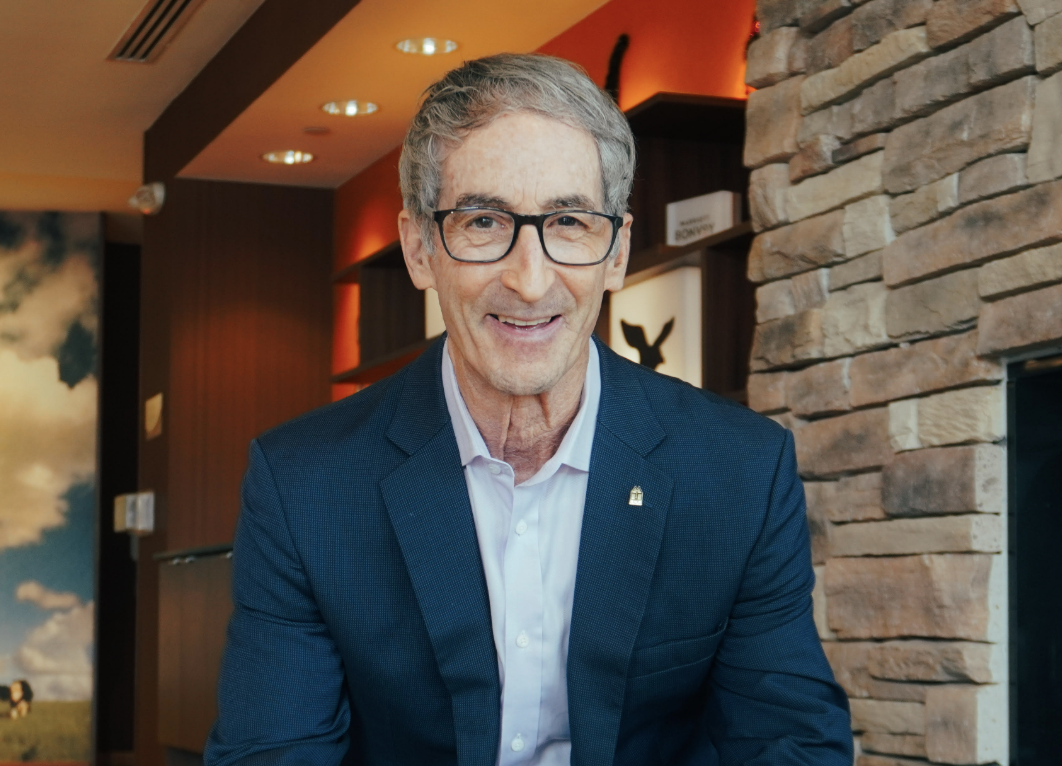
Robert Rauch, CHA
Bob has been an owner-operator of hotels for decades, founding chairman of Brick Hospitality and CEO of R. A. Rauch & Associates. He's published Hospitality Innsights since 1984 and has taught Hospitality Entrepreneurship at Arizona State University and San Diego State University.