Labor is not just tight anymore. In my experience, it is resetting the economics of every hotel deal we sign. The math that built our hotels does not work the way it used to. Costs have reset higher, and they are staying there.
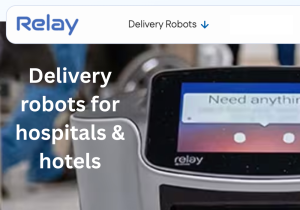
At the same time, hotel robots and technology are finally mature enough to automate the grind. From check-in and housekeeping carts to room service deliveries, these tools work today, and they are finally affordable enough for widespread deployment. By 2030, our guests will have been born after the mid-1990s, and what they want is frictionless, not faceless.
Two people feel this at the same time. The GM watching labor eat up 40 to 50 percent of revenue, who cannot staff a night audit to save his life. And the Gen Z or Millennial guest walking in at 11 p.m. who does not want a front-desk conversation. She wants her key on her phone, and a real conversation with someone at the bar later.
2030 is 3.5 years away. The capital expenditure decisions, brand standards, and labor models we sign this cycle will lock in who wins that guest. The robot hotel opening in China next year is not a gimmick. It is a preview of guest expectations.
The fear I hear most is that the jobs are gone. They are not, but the tasks are. Housekeepers, chefs, maintenance staff, brand ambassadors, and leaders all stay. What changes is that they finally get the data, and the robots take the heavy lifting. Robots take the friction. Humans take the hospitality.
From Front Desk to Self-Service


Drag the handle to compare the traditional check-in experience with the AI-enabled lobby.
Here is how technology is impacting major departments:
Housekeeping: Less Cart-Pushing, More Quality Control
Housekeeping carries some of the heaviest physical labor in the building, and it is also where turnover tends to hit hardest. I have found that a lot of that turnover comes from the grind, not the work itself: hauling linen carts down long corridors, running back to the storeroom for supplies, waiting on maintenance to clear a room before it can be touched.
Delivery robots and automated cart systems can take over that logistics layer. They ferry linens, amenities, and supplies floor to floor so a housekeeper is not burning twenty minutes a shift just moving materials. That time goes back into the room: a closer inspection, a better turn, an actual look at the details guests will notice and write about in a five-star review.
I have also seen housekeeping management software pair well with this shift. When a GM can see room status in real time instead of chasing a supervisor with a radio, the whole department runs tighter. The housekeepers’ job does not disappear. It gets closer to what it was supposed to be in the first place: quality, not logistics.
Culinary and Room Service: Robots Run Food, Chefs Run the Kitchen
Food runners and room service delivery are repetitive and time-sensitive. They need to happen quickly, but they do not need a human hand on every trip. Robots that carry trays from the kitchen to the guest room floor free up a chef’s team to focus on what actually matters to a guest: the food itself.
I like to think about it this way. A chef did not go to culinary school to spend a Tuesday night walking room service to the ninth floor because management cut the room service server. That time is better spent on prep, plating, and menu development, the parts of the job that build a hotel’s reputation. Automating delivery does not touch the craft. It removes the errand.
There is also a labor math benefit here that GMs feel directly. Room service has always been a tough department to staff profitably because the labor cost per delivery is high relative to the ticket size. Robotic delivery tends to change that equation enough to keep room service viable instead of cutting it entirely, which is often the alternative I see operators reach for.
Maintenance and Engineering: From Reactive Fixes to Predictive Data
Maintenance teams have historically operated in reactive mode. Something breaks, a work order gets filed, and someone gets sent to fix it, often after a guest has already noticed. AI-driven monitoring changes that sequence. Sensors on HVAC systems, elevators, and major equipment can flag a problem before it becomes a guest complaint or a five-figure repair.
That shift matters more than it sounds. In my experience, the most expensive maintenance issues are never the ones caught early. They are the ones discovered when a system fails completely. Predictive data lets an engineering team plan the fix on their schedule instead of a guest’s schedule.
The engineers’ job does not become obsolete. It becomes higher value. Less time chasing symptoms, more time on the complex repairs and preventive work that actually protect the asset. That is a better use of a skilled tradesperson than sending them to check a filter that was fine yesterday.
Brand Ambassadors and Front Desk: AI Handles Routine, Humans Handle the Moment
This is the department I get the most questions about, and it is the one people misunderstand the most. Digital check-in and AI guest messaging are not designed to replace the front desk. They are designed to strip out the parts of the job that were never hospitality in the first place.
Think about the agent who spends ten minutes pulling up rate information for a caller. That is not a guest interaction, it is friction. When AI handles routine check-in, rate questions, and basic requests, the brand ambassador who used to spend a shift processing paperwork is free to actually work the lobby: greeting guests by name, catching the small things that turn a stay into a review, and having the conversation at the bar the 11 p.m. guest actually wants.
Complaint resolution, VIP interactions, and anything emotional or nuanced stay human, always. I do not see that changing by 2030 or any year after it. What changes is how much of a shift a brand ambassador gets to spend on those moments instead of administrative tasks that a machine handles better anyway.
Leadership: Real Data Instead of Gut Instinct
Every department above generates data it never used to. Robots and AI systems track delivery times, maintenance patterns, guest response times, and labor utilization automatically, in real time, without someone manually logging it.
That is where leadership benefits the most, and it is the part I think gets talked about the least. A GM or ownership group making decisions off a monthly report is always working from stale information. Pairing that data with disciplined standard operating procedures gives leadership something worth acting on, not just something worth reading.
I have always believed that the operators who win are not the ones with the most technology. They are the ones who use the data that technology produces to make faster, better decisions. Robots do not replace leadership judgment. They give leadership something worth judging.
The Window to Decide Is Closing
The capital decisions signed this cycle, the brand standards adopted now, the labor models built into next year’s budget, all of it locks in who wins the 2030 guest. That guest has already decided what frictionless means to her. The operators who move now will meet that expectation. The ones who wait will be explaining to ownership why a competitor down the street is winning the same market with the same flag.
I have been running robots named Hubert, Robin, and Batman across three of my properties, and I broke down the full payoff in The Real ROI of Hotel Robots: Staff, Guests, and the Bottom Line. The lesson has been consistent across housekeeping, room service, and the front desk alike: the technology does not replace the team. It gives the team back the time to do the job they were actually hired to do.
If you are evaluating where automation fits in your operation, department by department, I work directly with owners and operators on exactly this kind of plan. Let’s talk.
Want more hospitality insights like this? Subscribe to my free monthly newsletter and receive practical tips, industry updates, and expert advice delivered straight to your inbox each month.
Hotel Robots and Technology, Answered
No. In my experience, automation removes the repetitive tasks, cart-running, food delivery, routine check-in, not the people doing them. Housekeepers, chefs, maintenance staff, front desk teams, and leadership all stay. What changes is how much of their shift goes toward quality and guest connection instead of logistics.
Housekeeping, culinary and room service, maintenance and engineering, and the front desk see the most direct benefit. Leadership benefits indirectly, through the real-time data these systems generate.
The capital and brand-standard decisions signed this cycle will shape the guest experience through 2030 and beyond. I have found operators who wait longer than a budget cycle or two tend to be playing catch-up rather than leading.
Complaint resolution, VIP interactions, and any moment involving real guest emotion should stay human, always. Those are the moments that define a hotel’s reputation, and I do not see that changing.
Henn na Hotel cut its robot workforce by more than half in 2019 after guests and staff found many of the robots created more work than they solved. In my view, the lesson is not that robots fail. It is that automation only works when it is matched to tasks that are genuinely repetitive and low-touch, not layered onto every guest interaction.
I have been running robots named Hubert, Robin, and Batman across three of my properties, and the return has been consistent: more staff bandwidth, not fewer staff. I broke down the full numbers in The Real ROI of Hotel Robots: Staff, Guests, and the Bottom Line.